
Room zoning – room dividers in the office create structure.
Open-plan offices appear bright, communicative, and modern – but not every task benefits from constant interaction. Targeted room zoning allows work areas to be clearly structured without sacrificing the openness of the space. Room dividers in the office provide orientation, improve acoustics, and support flexible working methods and teamwork. Visual privacy and privacy screens are just as important as acoustic shielding.










What office furniture can be used for room zoning?
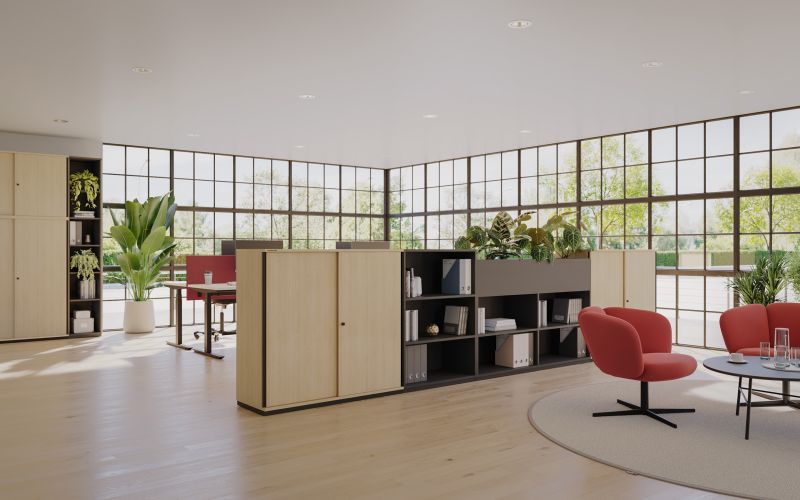
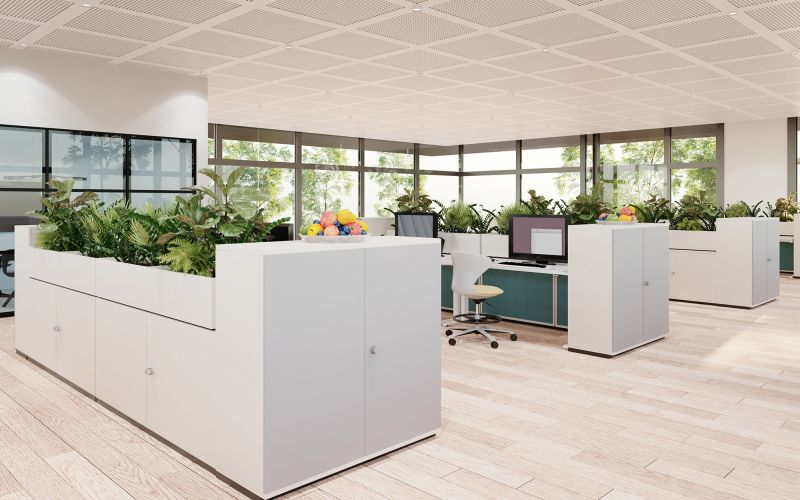
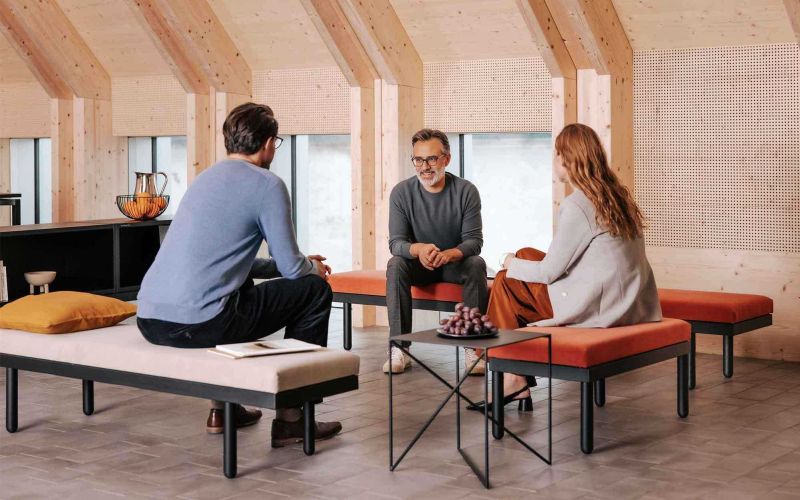
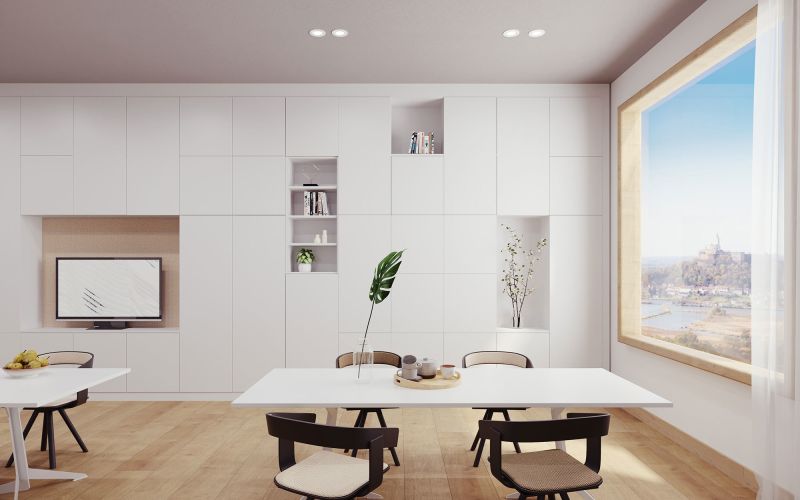
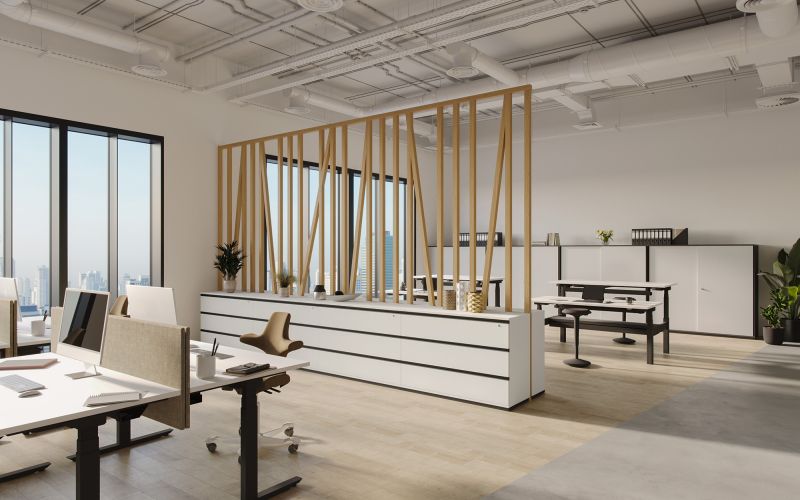
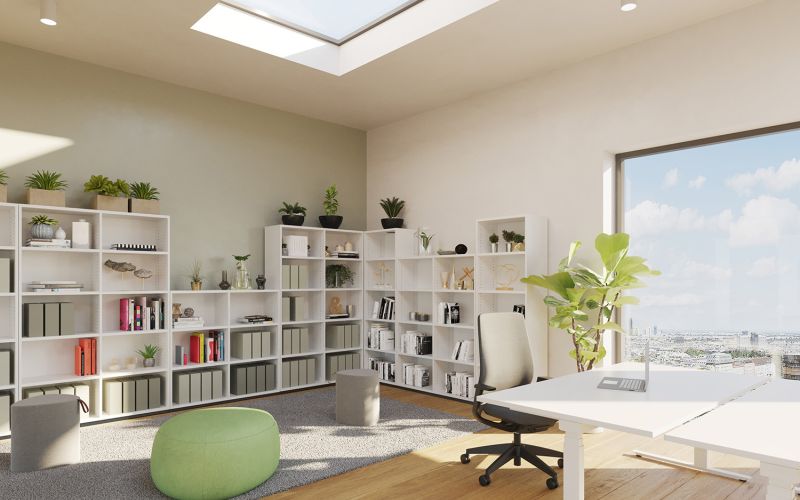
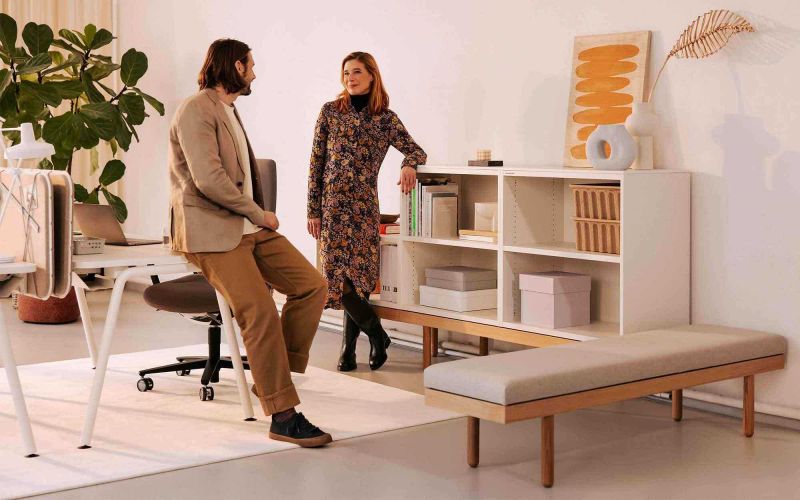
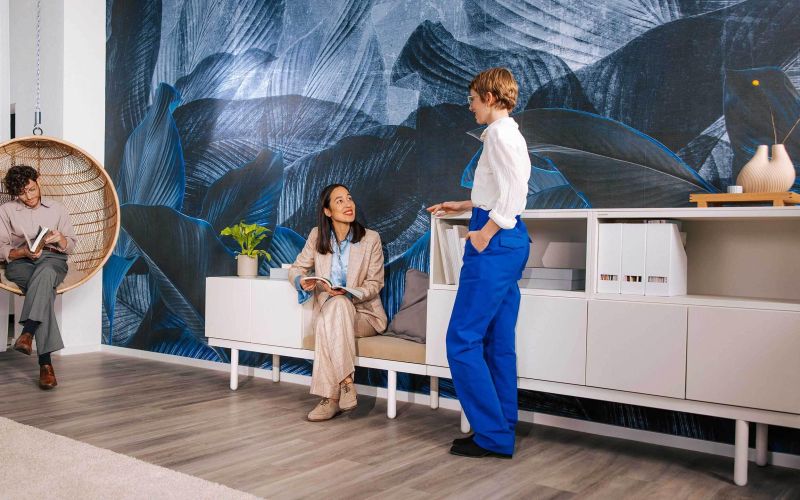
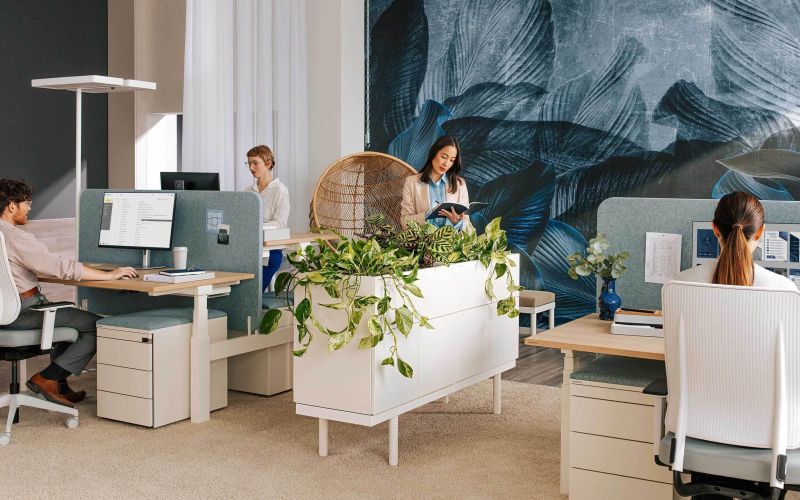
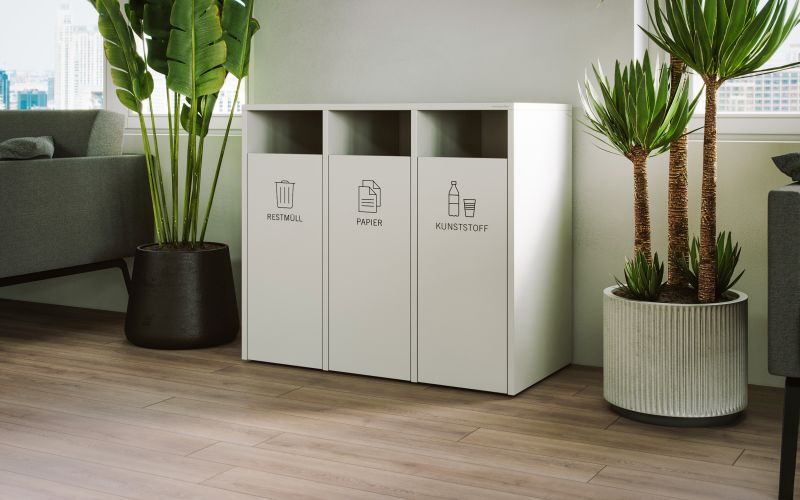
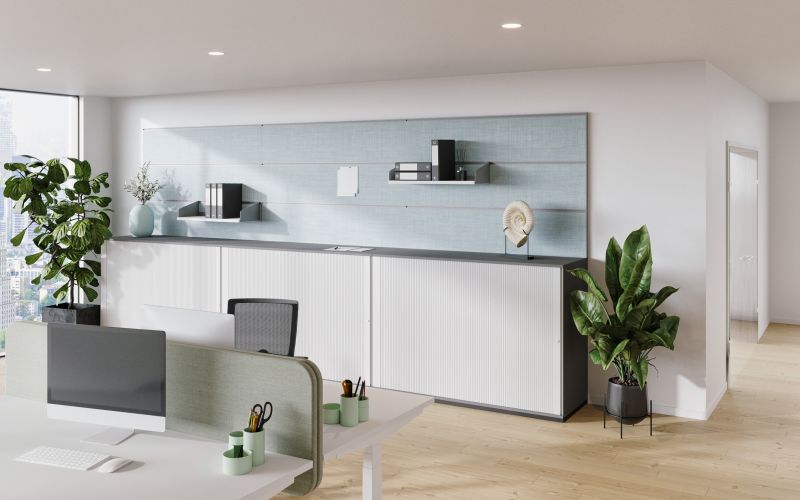
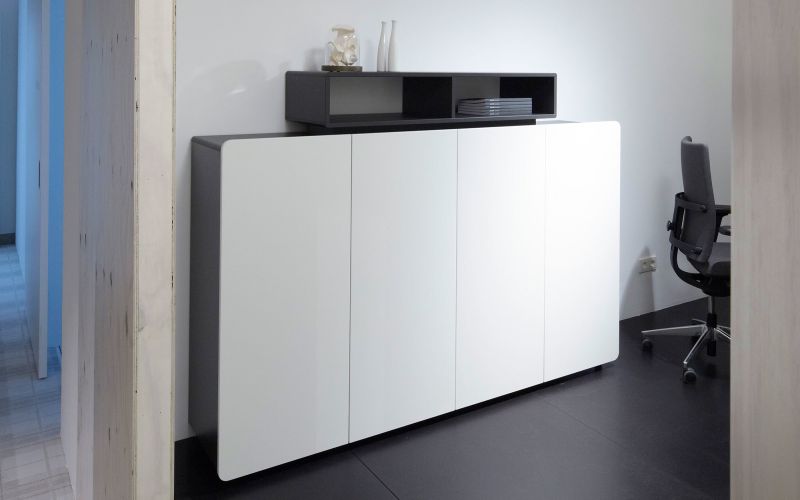
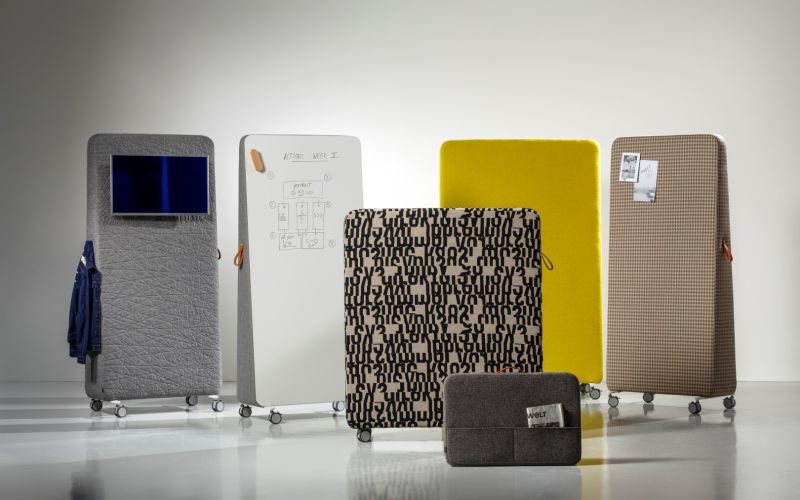
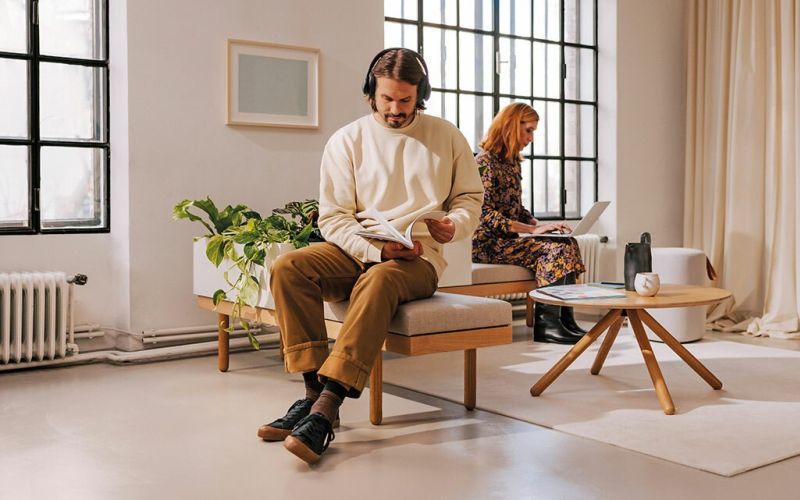
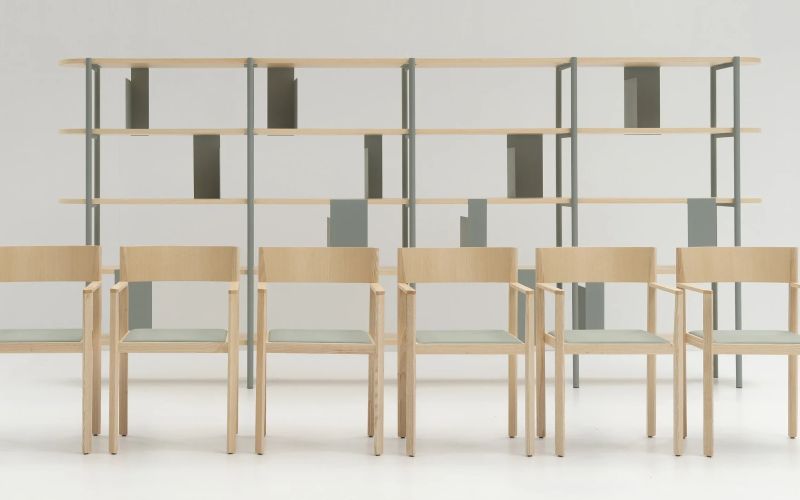
Shelves, cabinets, plant trays, coat rack elements, carpets, mobile partition walls, tabletop noticeboards, table enclosures, lounge furniture, telephone booths, and glass partition wall solutions are ideal as room dividers for zoning rooms and creating different areas of use within a large room. The right choice depends on what is more important: directing movement flows or providing acoustic and/or visual screening.
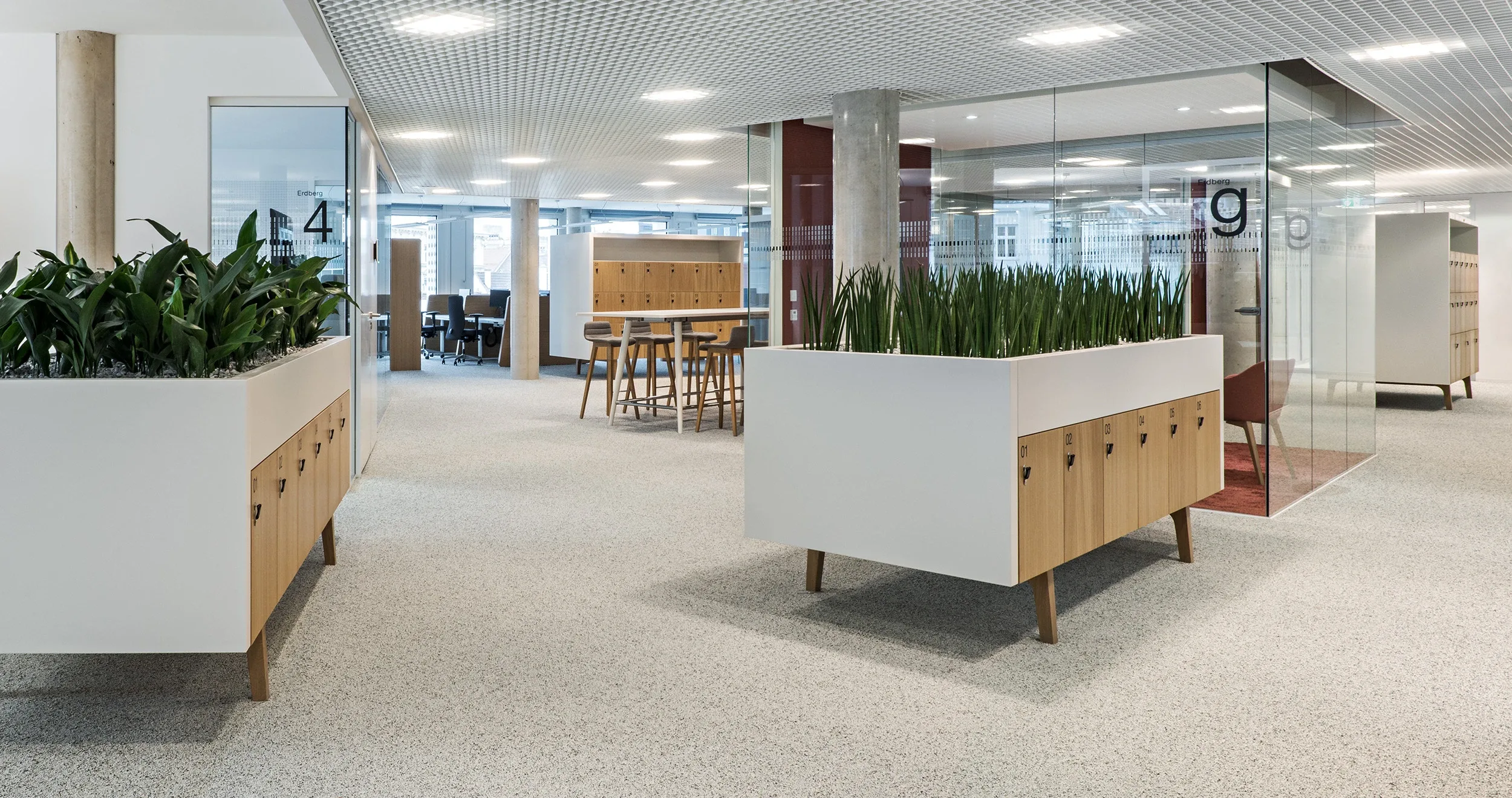
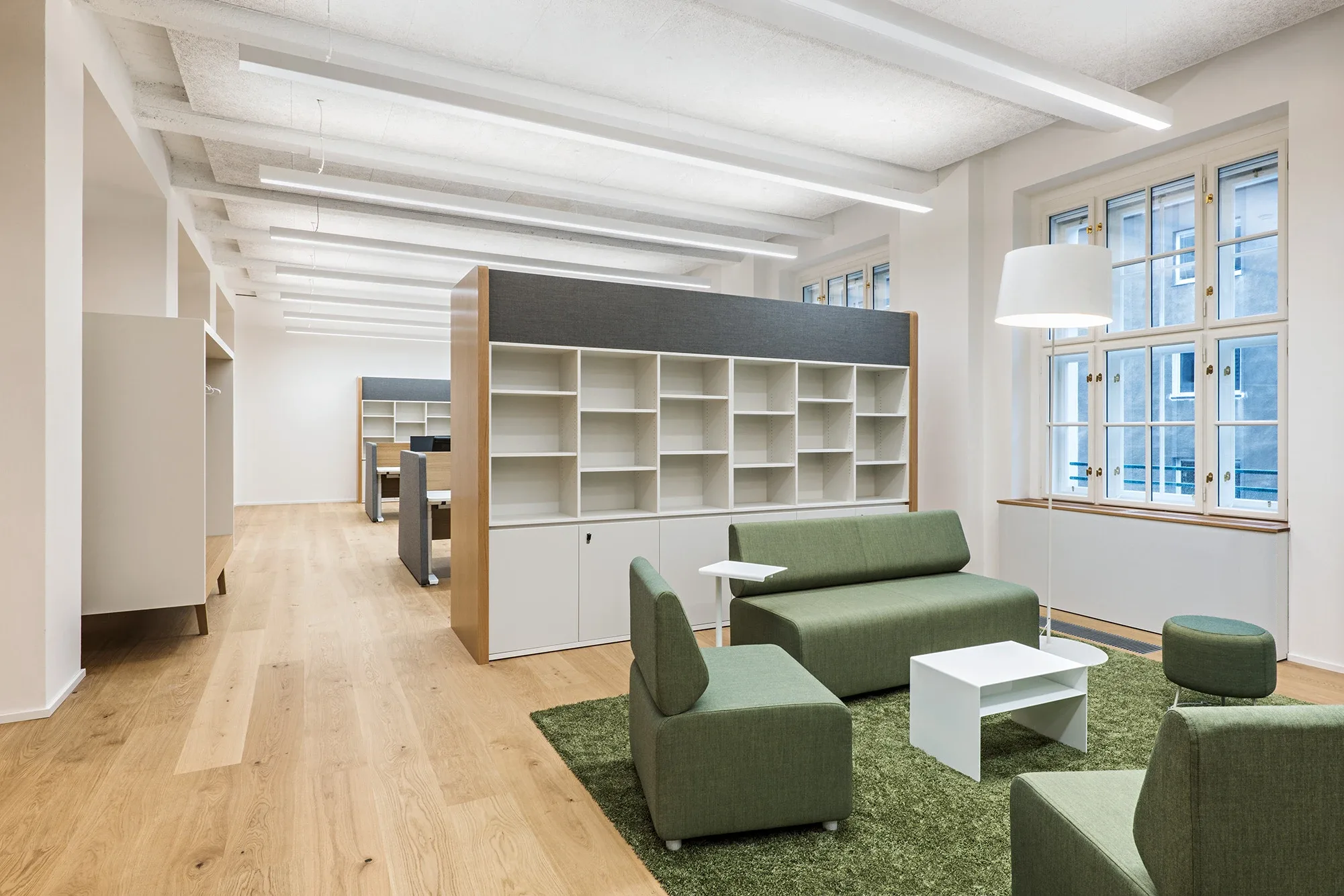
Room dividers in the office: structuring spaces and providing orientation.
Room divider solutions are used in offices where large spaces need to be clearly structured. They create visual orientation, define work areas, and guide movement flows in the office without closing off the space. Open shelves, half-height cabinets with planters, or lounge furniture are particularly suitable for clearly marking team zones, work areas, or transitions between different uses. The advantage: the room remains open, light-flooded, and flexible – but gains structure and tranquility.
Room dividers in the office: visual separation and improved acoustics.
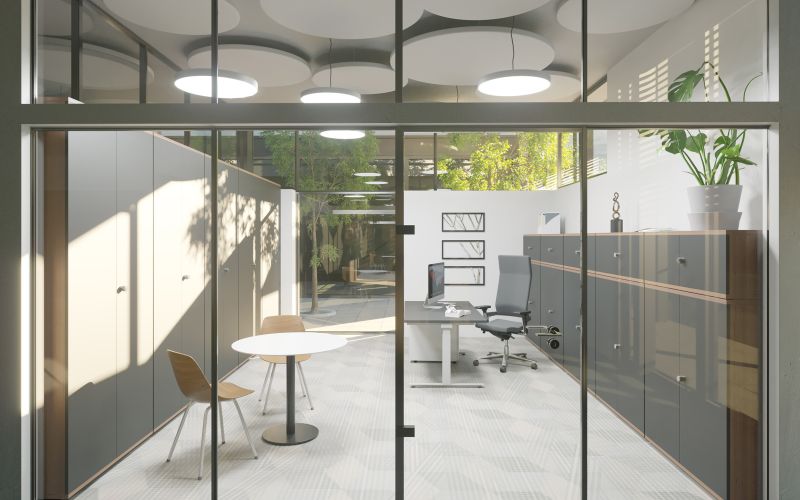
When it comes to privacy, concentration, or discretion, room divider solutions are used in the office. Mobile partition walls, acoustic panels, or other tall dividers reduce visual stimuli and dampen background noise. They enable focused work in open-plan offices or create protected areas for conversations and meetings. Acoustically effective room dividers not only improve speech intelligibility but also increase the subjective feeling of calm – a decisive factor for productivity and well-being. If special attention is paid to acoustics, glass partitions are the ideal choice. They separate rooms more effectively while still maintaining an open look for the space. Unlike fixed walls, they can also be more easily rebuilt if requirements change.
Flexible room zoning for agile working methods.
Modern working environments are constantly changing – which is why room zoning must also remain flexible. Mobile room dividers and partitions in the office can be quickly rearranged and adapted to current requirements. Team meetings today, focused work tomorrow – the space adapts to your needs. Modular systems, lightweight panels, and combinable elements support agile working models, desk-sharing concepts, and project-based work. This turns room zoning into an active tool that supports everyday work rather than restricting it.