Meetings that go smoothly. And discussions that flow.
What makes for a good meeting room in the office? A meeting table and chairs. Sure. But that’s not all. Only when lighting, acoustics, storage space, and the right size all come together does a room become a place where conversations really flow.
That’s exactly what matters. A good meeting room provides structure for discussions, keeps distractions at bay, and supports meetings where decisions are made more easily. Then it’s not just the group sitting around the table. Then the meeting itself is a success.
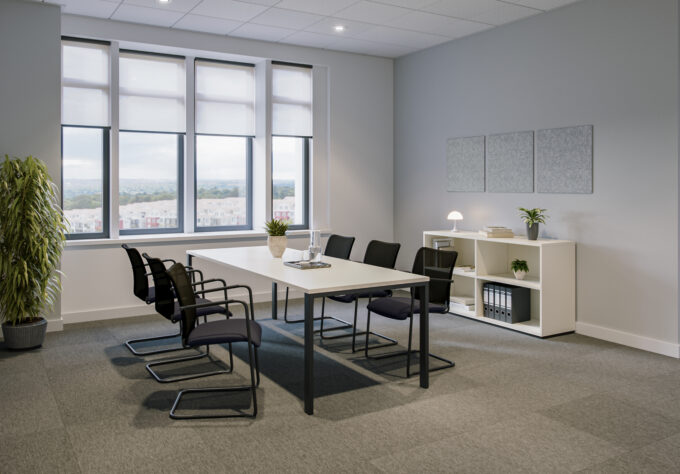
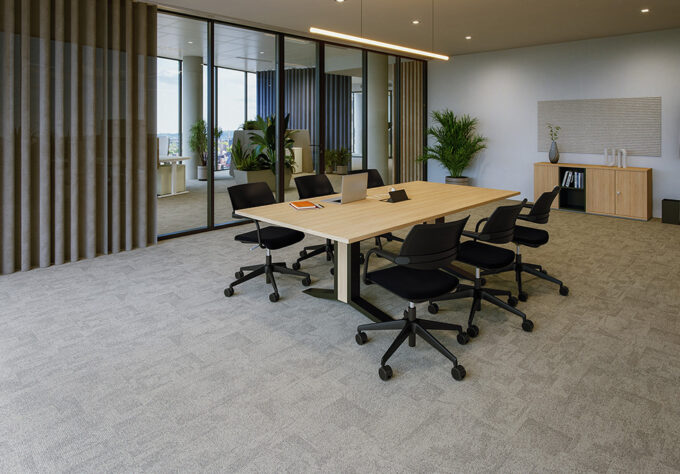
Book a 60-minute timeslot now.
Select. Order. Off to the box.

A meeting room has to work in everyday use. Not just for large groups. But also for quick check-ins, longer meetings, and sessions where decisions need to be made. If the room isn’t suited for that, you’ll notice it right away.
It really comes together when the important elements align. Enough space at the table. Seating that remains comfortable even after a while. Lighting that keeps you alert. Acoustics that make conversations clear. And storage space for everything that doesn’t need to stay on the table permanently. Then meetings run more smoothly, clearly, and often more efficiently.
That’s the difference between just any room with a table and a meeting room. It gives conversations structure, reduces friction, and creates a setting where dialogue flows more easily.
More about the meeting room
Please have a seat.
The rest will take care of itself.
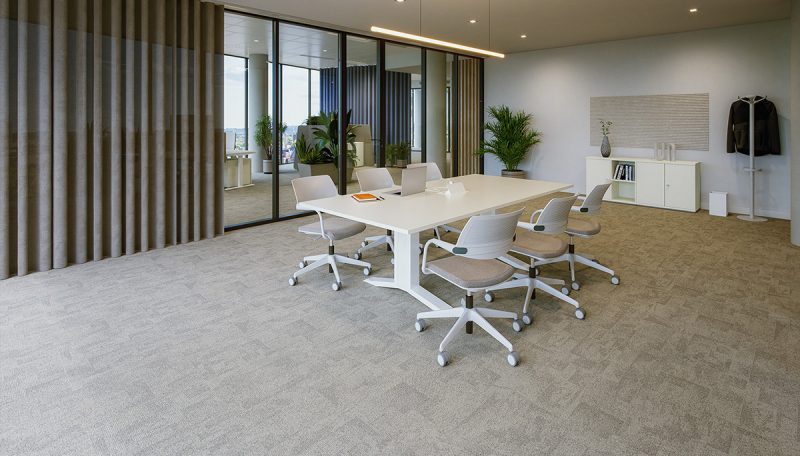
So the room doesn't interfere with the meeting.
Any questions?
That depends mainly on how many people regularly sit at the table and how the room is used. Short discussions often require less space than longer meetings or conferences. The key is that everyone is comfortable, can move around, and the room doesn’t feel cramped.
Because meaningful conversations depend on everyone being able to hear each other clearly. When voices echo or background noise is too loud, it makes it hard to concentrate and turns meetings into an unnecessary struggle. The right acoustic solution helps keep conversations clear and calm.
A meeting room is typically intended for small- to medium-sized meetings. A conference room is designed for larger groups and therefore requires more space, more seating, and often more advanced equipment. The requirements are similar; it’s the intended use and size that make the difference.